
Is Your Child Ready for Kindergarten? How Preschool Bridges the Gap
The Quick Answer? Preschool prepares children for kindergarten by teaching them the structural routines of a classroom, developing critical independence, and building social-emotional resilience. At Kids Konnect Pacifica, our targeted three-to-four-year-old curriculum ensures children transition from toddlers into confident, kindergarten-ready learners.
The summer before a child enters kindergarten is often filled with a unique wave of transition anxiety. Four-year-olds stand on the precipice of entering the wider world, and they can easily internalize the heavy expectations of moving to a "big school".
If you are wondering how to ease this milestone transition, a structured preschool program is the ultimate solution. Here is how early childhood education physically and emotionally prepares your child for kindergarten success.
1. How does preschool help children learn school routines?
Direct Answer: Preschool introduces children to group learning environments and structured daily schedules, ensuring they know how to follow school norms before kindergarten. By practicing classroom expectations early, children learn to navigate transitions, sit attentively, and work collaboratively within a classroom community.
Moving from the unstructured freedom of home into a rigid elementary school day can be a shock to a child’s system. Preschool acts as a gentle, supportive practice run. In our Pacifica classrooms, children master the basic rhythm of a daily school routine.
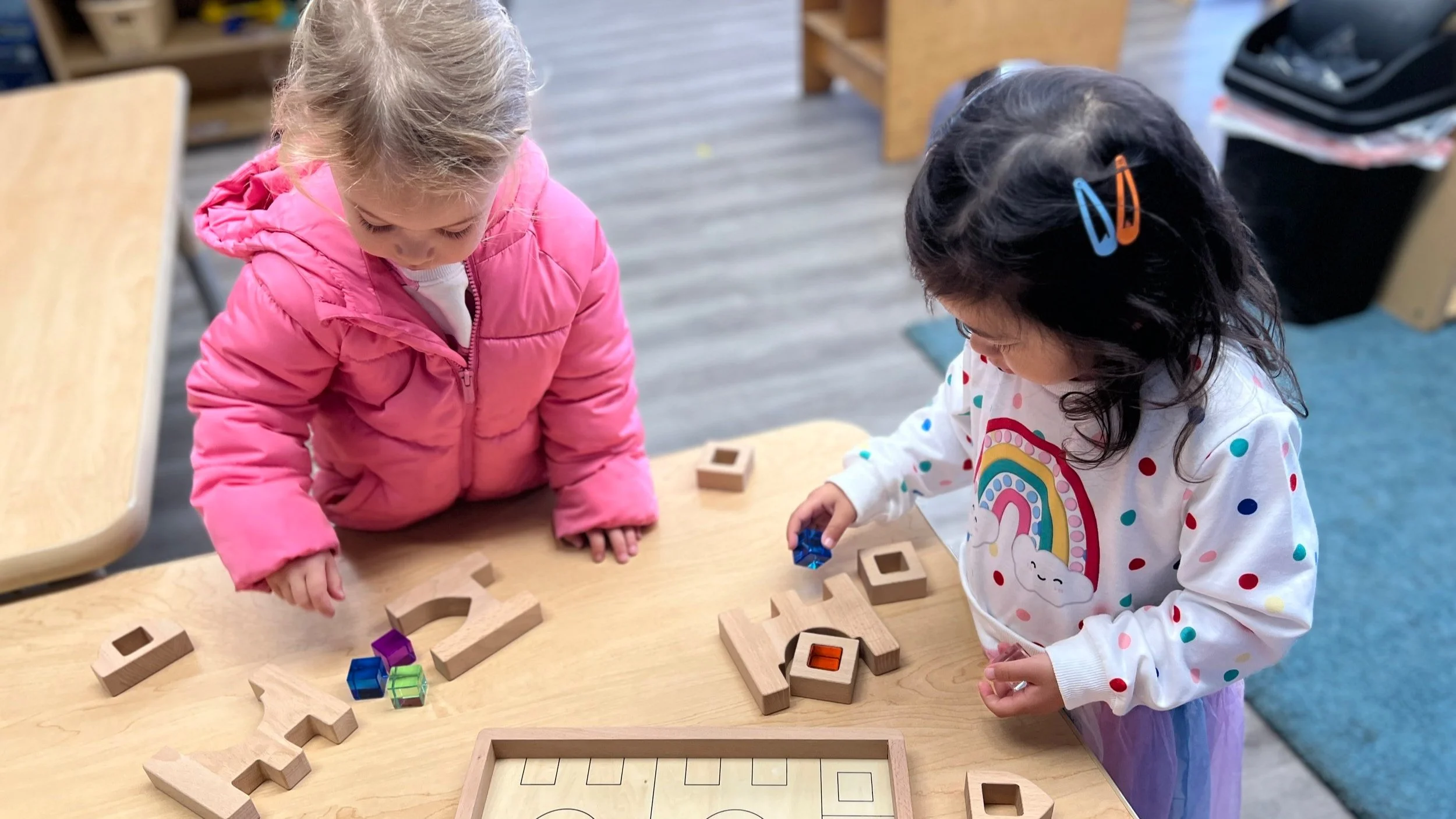
Through guided group learning, your child will master essential social norms, including:
Circle Time Attentiveness: Learning how to sit comfortably, listen to a teacher, and focus alongside their peers.
Activity Transitions: Understanding how to smoothly switch from playtime to structured learning without emotional distress.
Following Multi-Step Directions: Practicing how to listen to group instructions and execute them independently.
2. What independence skills do kids need for kindergarten?
Direct Answer: Kindergarten requires children to possess practical self-help skills, such as independent restroom habits, managing personal items, and classroom cleanup. Preschool builds these personal responsibility habits daily, ensuring children can confidently care for themselves in a larger classroom setting.
When an elementary school teacher has a classroom full of students, children who possess independent self-help skills thrive. Our preschool program deliberately embeds personal responsibility into every daily activity.
We teach our students to take pride in caring for themselves and respecting their physical space. Together with their peers, children learn to:
Clean up their tables and properly throw away their snacks.
Push in their chairs when leaving a workspace.
Wash their hands thoroughly to establish consistent, personal hygiene.
Master potty training milestones within a highly encouraging environment.
3. Why is same-age socialization important for preschoolers?
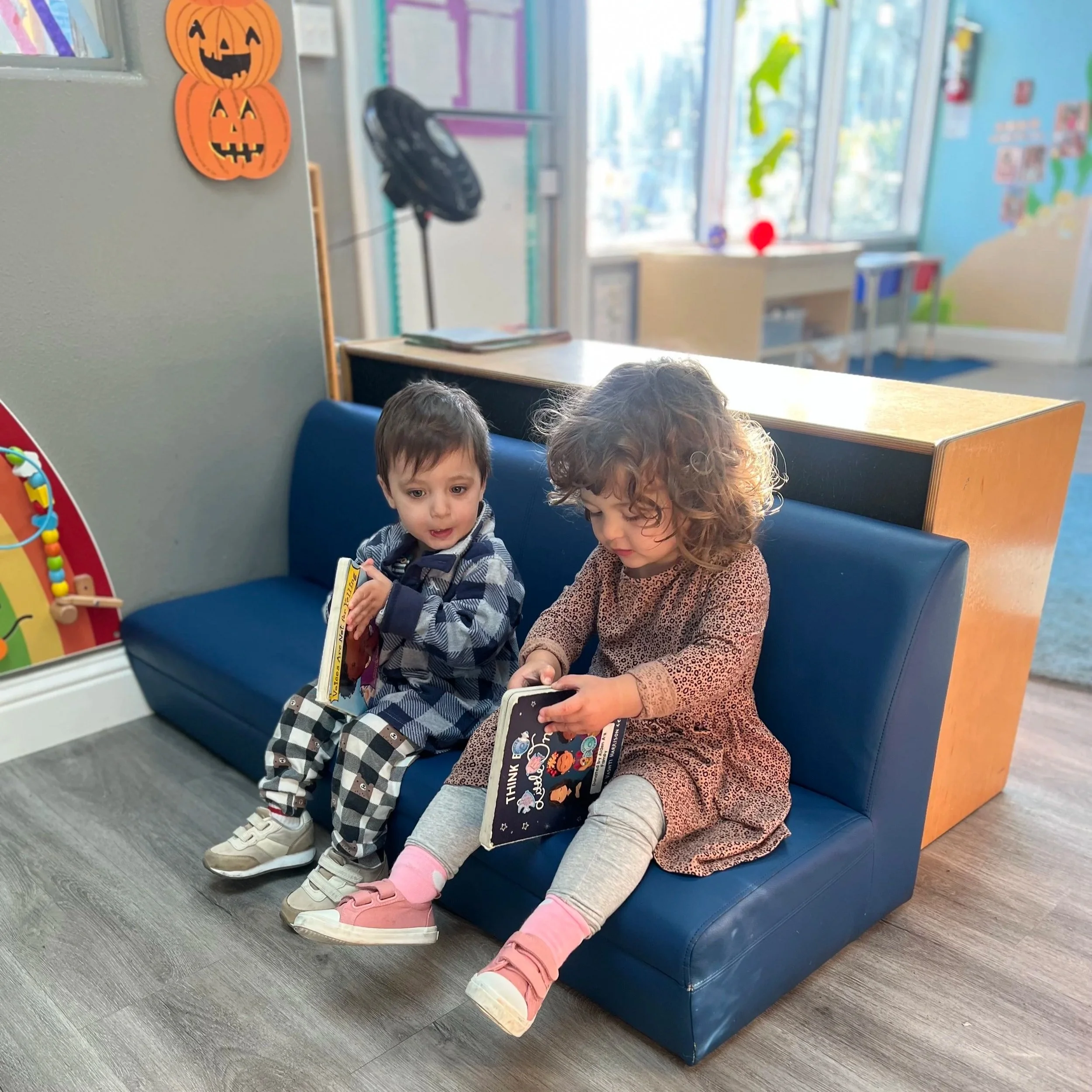
Direct Answer: Same-age socialization enables children to hit age-appropriate milestones, develop empathy, and practice cooperation with peers at the exact same developmental stage. Unlike mixed-age daycare, grouping children together by age boosts social growth and collaborative play, a model identical to kindergarten.
For only children, or kids who have not yet spent prolonged periods in large groups, this dynamic is incredibly impactful. With their peers, your child will learn how to resolve conflicts naturally, share resources, collaborate on group projects, and build foundational friendships.
4. How do classroom boundaries prepare children for the real world?
Direct Answer: Nurturing but firm classroom boundaries teach children emotional regulation, respect for rules, and structural safety. Establishing consistent guardrails in preschool helps children understand accountability, ensuring they adapt easily to the strict behavioral guidelines of elementary school.
Children thrive when they know exactly where the guardrails are. While modern parenting philosophies are constantly shifting, early childhood educators recognize that healthy behavioral boundaries are essential for a child to feel secure out in the world.
We use gentle, clear guidance to show children how to navigate expectations safely. Learning to respect classroom rules and understand absolute boundaries (like knowing when a teacher says "no" or "absolutely not" for safety reasons) ensures your child feels secure and successful when encountering school-wide rules in kindergarten.
Give Your Child a Confident Kindergarten Head Start
Kindergarten shouldn’t be a source of anxiety - it should feel like an exciting new adventure! By introducing your child to structured group learning, daily responsibilities, and peer socialization early, you ensure they walk through those elementary school doors with their head held high.
Schedule a tour of Kids Konnect Pacifica today to secure your spot and give your child the ultimate foundation for lifelong academic success!